
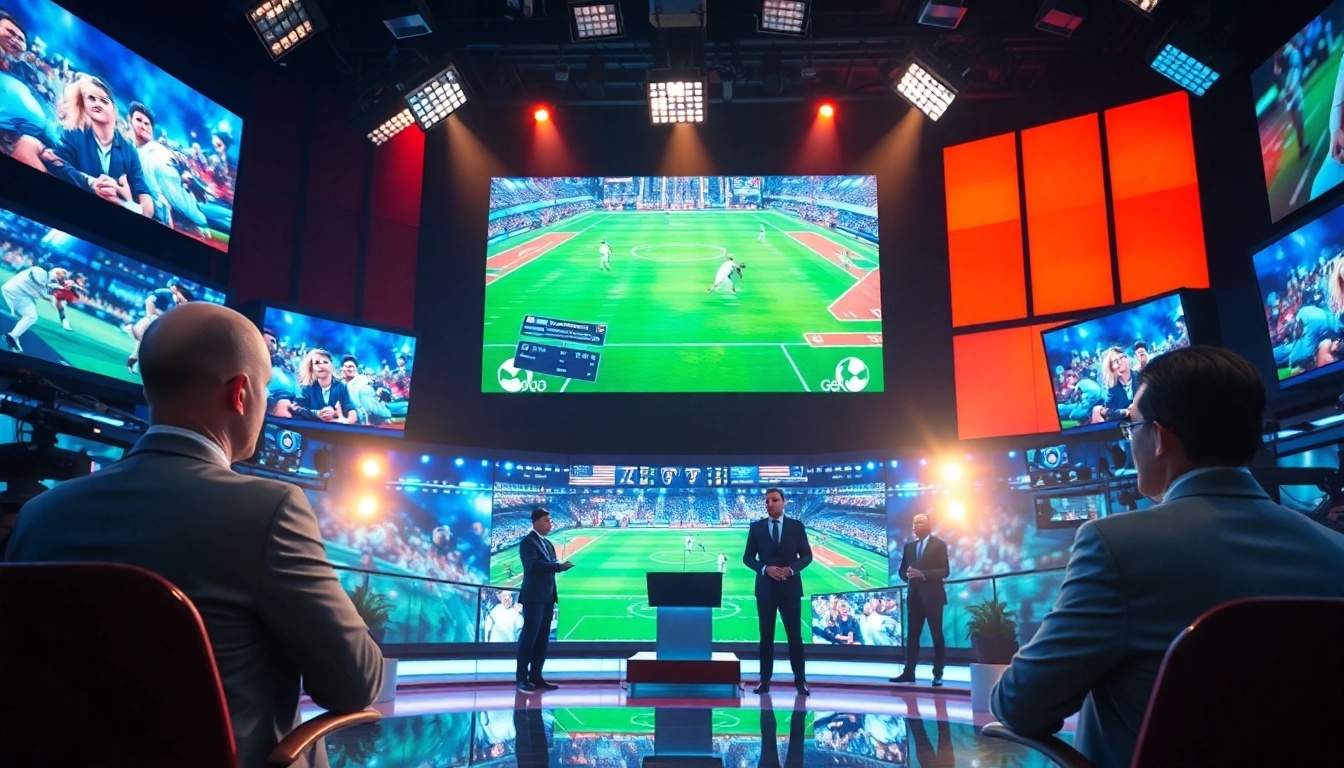
An Introduction to Sports Broadcasting
What is Sports Broadcasting?
Sports broadcasting refers to the dissemination of sports content through various media outlets, including television, radio, and the internet. It encompasses live coverage of events, commentary, analysis, and related programming designed to inform, entertain, and engage fans. The goal is to deliver comprehensive coverage that enhances the viewing experience, allowing audiences to follow their favorite teams and athletes from anywhere in the world. As the landscape of Sports Broadcasting evolves, broadcasters must adapt to changes in technology and viewer expectations.
The History of Sports Broadcasting
The origins of sports broadcasting can be traced back to the early 20th century when radio stations began airing live game updates. The first official sports broadcast occurred in 1921, featuring a boxing match between Jack Dempsey and Georges Carpentier. As technology improved, television broadcasts became popular, dramatically changing how fans consumed sports. The 1939 World Series was among the earliest televised sporting events. Over the decades, advancements in technology, such as color broadcasting and satellite transmission, enabled broader access, transforming sports into a mainstream entertainment industry.
Importance of Sports Broadcasting Today
In today’s fast-paced, digital world, sports broadcasting plays a crucial role in shaping cultural conversations, driving fan engagement, and contributing to a sports-based economy. It allows fans to connect with their favorite teams, providing real-time updates and analyses that enhance their experience. Moreover, sports broadcasting generates significant revenue through advertising and sponsorships, impacting the financial landscape of sports. It serves not only as entertainment but also as a byproduct of the growing emphasis on media in our daily lives.
Key Elements of Effective Sports Broadcasting
Understanding Your Audience
One of the foundational elements of effective sports broadcasting is a deep understanding of the target audience. Broadcasters must identify demographics—such as age, gender, and location—that impact viewing habits. Engaging with audiences through social media and community events can provide insights into their preferences and passions. Tailoring content to suit audience interests not only enhances viewership but also fosters loyalty toward the broadcaster.
Choosing the Right Platform for Broadcasting
With the rise of streaming platforms, successful sports broadcasting requires choosing the right medium to reach audiences effectively. Traditional television still holds considerable sway, but digital platforms and social media are increasingly popular among younger viewers. Understanding where your audience consumes content can guide strategic decisions regarding partnerships, distribution rights, and broadcasting methods. Multi-platform strategies that integrate both traditional and modern broadcasting methods often yield the best results.
Creating Engaging Content
Content creation goes beyond mere commentary; it involves storytelling, analysis, and interactive elements that entice viewers. Incorporating narratives about athletes, behind-the-scenes coverage, and fan interactions can create a richer viewing experience. Additionally, utilizing high-quality visuals and dynamic graphics can enhance storytelling, making it more compelling. Engaging content not only keeps viewers tuned in during broadcasts but also encourages conversation and sharing both on-air and online.
Technology in Sports Broadcasting
Live Streaming and Broadcast Innovations
Advancements in technology have revolutionized sports broadcasting, particularly with live streaming capabilities. Broadcasters can now reach audiences globally without the limitations of traditional cable. Over-the-top (OTT) services offer fans the ability to watch live games and sports-related content on various devices. Innovations such as 4K resolution, HDR broadcasts, and adaptive bitrate streaming enhance the viewer’s experience, while interactive features allow fans to engage more meaningfully. Staying updated on technological trends and incorporating them into broadcasts is crucial for staying competitive in the industry.
Using Graphics and Visuals Effectively
Visual elements play a vital role in sports broadcasting, helping to convey information quickly and engagingly. Graphics such as scoreboards, player statistics, and slow-motion replays enhance viewer understanding. Infographics that provide context about teams and players can elevate discussions while maintaining viewer interest. Effective use of visuals not only supports the narrative but also enriches the overall production quality, leading to higher viewer satisfaction.
Data Analytics in Sports Coverage
Incorporating data analytics into sports broadcasting presents broadcasters with insights that can enhance storytelling and viewer engagement. Real-time stats allow commentators to provide in-depth analysis and context that can elevate the viewing experience. Key performance indicators (KPIs) such as viewer ratings, engagement metrics, and social media interactions can guide broadcasters in refining their content strategies. Mastering data analytics can provide significant competitive advantages and ensure broadcasts resonate with audiences.
Challenges in Sports Broadcasting
Navigating Licensing and Rights Issues
One of the primary challenges in sports broadcasting is navigating the complex legal landscape surrounding licensing and broadcasting rights. Securing the necessary rights to air specific events requires negotiations with leagues and rights holders, which can be costly and time-consuming. Understanding the legal ramifications and ensuring compliance is crucial. Often, securing exclusive broadcasting rights can enhance brand reputation and viewer trust, providing a competitive edge in the market.
Maintaining Viewer Engagement
In an age where content is available at users’ fingertips, maintaining viewer engagement can be a daunting task. Broadcasters need to ensure that their content is not only informative but also entertaining. Implementing interactive elements such as audience polls, social media integration, and live feedback can foster a two-way dialogue that keeps viewers interested. Balancing professional analysis with relatable commentary can significantly improve viewer retention and loyalty.
Handling Live Broadcast Crises
Live events are unpredictable, often leading to unforeseen challenges. Technical issues, unexpected occurrences, or controversial moments can disrupt broadcasts. Broadcasters must prepare contingency plans and train their team on crisis management to address these events seamlessly. Ensuring effective communication among the crew and maintaining professionalism in the face of adversity can help mitigate crisis impacts. A well-prepared broadcast team can turn potential setbacks into memorable moments for the audience.
Future Trends in Sports Broadcasting
Impact of Social Media and Fan Interaction
Social media is transforming how audiences consume and interact with sports content. Platforms like Twitter, Instagram, and TikTok provide real-time updates, fan discussions, and behind-the-scenes access, helping to foster community engagement. Broadcasters are increasingly integrating social media content into their broadcasts, allowing fans to share their perspectives. The trend of user-generated content often leads to more authentic interactions, impacting future broadcasting strategies to engage immersive experiences.
Emergence of Virtual and Augmented Reality
Virtual reality (VR) and augmented reality (AR) technologies are redefining viewer experiences in sports broadcasting. These immersive technologies offer fans the chance to experience events in ways previously unimaginable. From virtual stadium tours to real-time gameplay overlays, VR and AR enhance engagement by placing fans in the heart of the action. As technology advances, broadcasters who adapt these innovations will be at the forefront of captivating their audiences.
Predictions for the Next Decade in Sports Broadcasting
The next decade promises significant changes within the sports broadcasting landscape. Emerging technologies, evolving viewer habits, and shifting media consumption patterns will shape this evolution. Personalization of content will grow; as algorithms in OTT platforms improve, viewers will receive tailored experiences based on preferences and viewing habits. Additionally, the integration of artificial intelligence for content creation, analysis, and targeted advertising will likely become common. Broadcasters who embrace these changes while delivering quality content will position themselves as market leaders.
FAQs
What are the main types of sports broadcasting?
Sports broadcasting encompasses television, radio, and online platforms, including live events, highlights, and analysis shows.
How can I start a career in sports broadcasting?
A career in sports broadcasting typically requires education in communications or journalism, along with internships or entry-level positions to gain industry experience.
What technologies are transforming sports broadcasting?
Emerging technologies like live streaming, virtual reality, and data analytics are transforming how sports content is produced and consumed.
How does analytics enhance sports coverage?
Analytics provides insights into team performance, audience engagement, and viewer preferences, enriching commentary and enhancing viewer experience.
What challenges do broadcasters face during live events?
Broadcasters face challenges such as technical issues, maintaining viewer engagement, and effectively handling unexpected situations that may arise.